Wrong Turn
On rules, roads, and staying calm

I am a rule follower. I thrive within neat guidelines.
Travel has tested this. Every country has different laws, and most are written in languages I don’t understand. So I play it pretty safe. Boring, but true.
Driving around East Africa is something I have struggled to get used to. In the States, I have been pulled over once. Here, I am pulled over multiple times a week while riding shotgun. Sometimes, officers want a chat. Sometimes, they want money for chai. Sometimes, they want to propose marriage. It is random. It isn’t about the law. It isn’t about right or wrong.
Every time we get pulled over, my stomach does that anxious flip like I’m being called to the principal’s office (says the gal who was never called to the principal’s office).
My friends’ responses have been a masterclass in observation, patience, and improvisation. It is about reading the situation and getting off your high horse — something that challenges my rule-following, American order-craving, stubborn self.


Robyn and I got pulled over in Malindi last week for turning the wrong way on a one-way street. We had just passed the Three-Way Hotel, and Robyn joked that we got screwed by the one-way. Google Maps said turn, so we diligently followed. Wrong.
A group of men started yelling. We later figured out that this was a common error among tourists (thank you, Google Maps), and some opportunistic entrepreneurs wait and watch at this ill-marked junction. We were instructed to pull over. Three men surrounded the car. One in Robyn’s window. One in mine. Another was standing in front, so we couldn’t leave. They wore “uniforms,” but who knows if they were real. They spoke with authority and power. They never showed badges.
I smiled. I channeled my innate golden retrieverness. I showed the map on my phone, feigning naivety. Robyn calmly apologized in Swahili. The volume increased with the one younger man. He was trying to intimidate us. Robyn kept saying sorry, then grabbed for her wallet.
She handed them 2,000 shillings (about 15 USD), and as quickly as they swarmed us, they hopped on a motorcycle and were gone.
As we drove away, she explained how they were insistent that they were taking us to jail and then to court.
WHAT?!
As I obliviously grinned at these men, Robyn was negotiating. They wanted money. She remained cool, calm, and collected. I was rattled. How could they do that? We went the wrong way. It was a simple error.
Robyn said, “It isn’t about upholding the law; it is about getting your cut.” With that in mind, she said, “Everything is solvable.” Her radar detected that this wasn’t a good situation, so she quickly pivoted. She said we were done in five minutes with no issues. It was worth it.
And she was right.
As we carried on with our day, I couldn’t stop thinking about it. First, I pride myself on reading a room well, but I was off. Second, I was mad that we paid them. It felt wrong. But at the same time, I kept turning Robyn’s words, “Everything is solvable,” over in my head. This is part of what I am still learning about life in East Africa. It can be both frustrating and comforting.
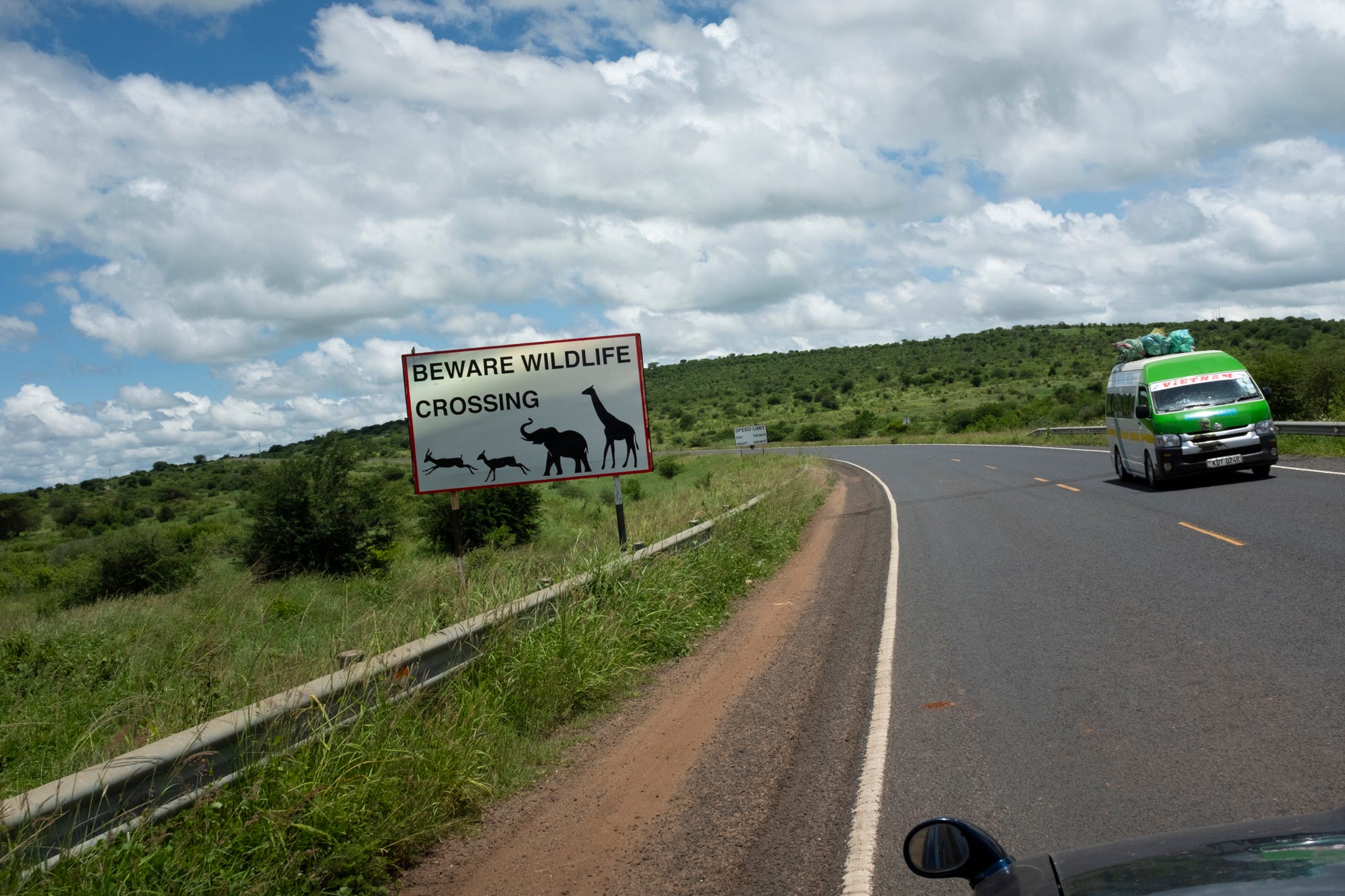
A couple of days later, we were traveling back to Tanzania. It is a beautiful 245-mile road trip that takes all day to drive. You go through Tsavo National Park — we saw zebras and giraffes from the road. Robyn said we had to be diligent while driving because our Tanzanian plates make us easy targets in Kenya. As a trusty co-pilot, my eyes stayed glued to the road.
Sure enough, a female officer pulls us over for going over the solid yellow line. We didn’t.
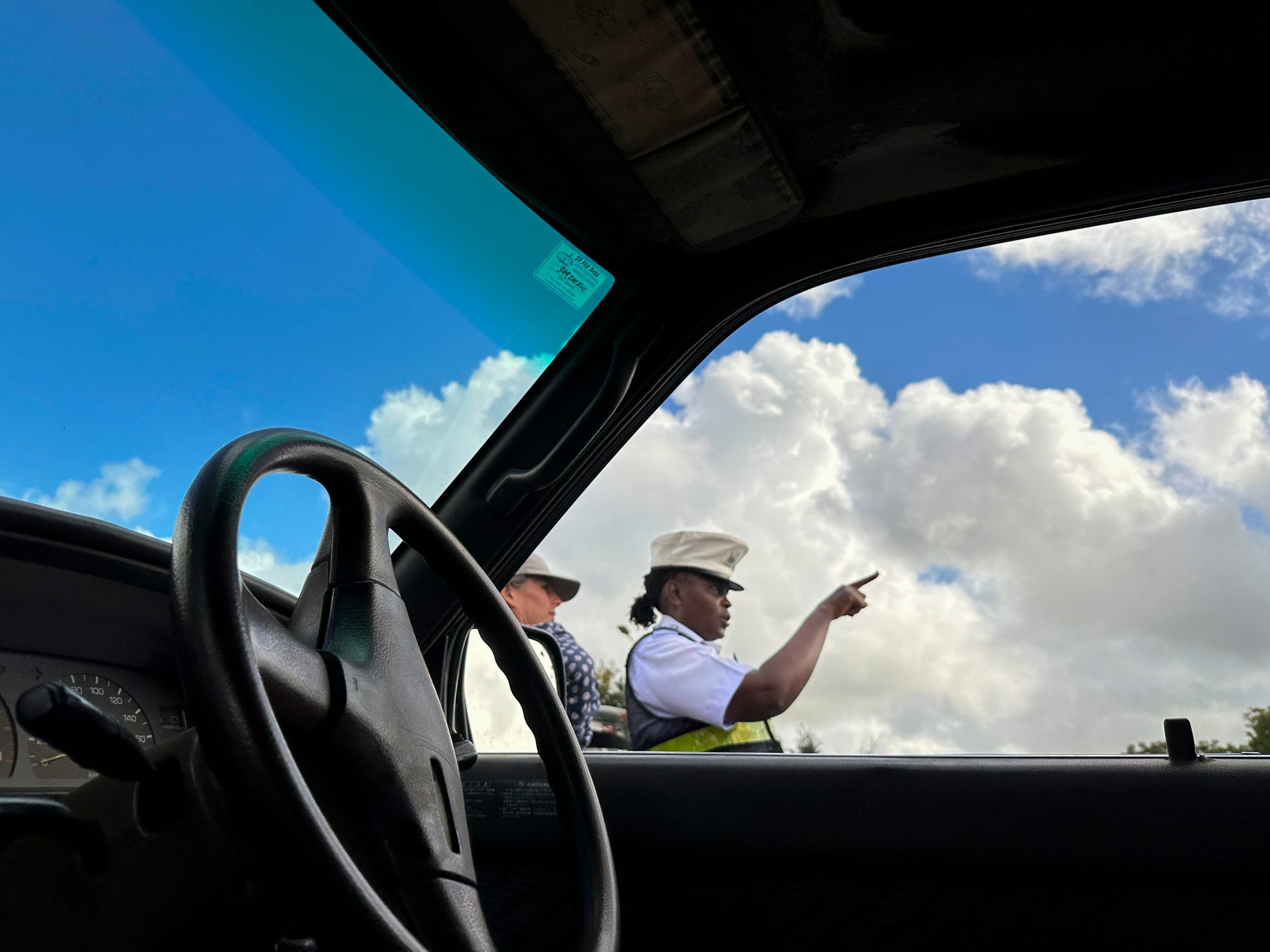
The officer strolled over to the car and started pointing at the lines. Then Robyn spoke, and the officer’s face completely shifted. Robyn remained calm and friendly — defusing the officer’s power trip in just a few minutes. The officer grabbed Robyn’s license and asked for our passports. It seemed like she was looking for leverage. Robyn played along, but my antenna went up, not fully trusting my gut after Malindi.
Robyn chatted with her, even got out of the car so the woman could show her the lines on the road. We weren’t in a hurry. The woman said she would bring us to court, and Robyn simply said, “I am confident we didn’t overtake on a solid line.” The woman said, “Okay,” and we left. That was it. We were back on our way.
There really are no neat guidelines. People know when they have you rattled and exactly which buttons to push. Slow down, we can’t be in that much of a rush. Be aware. Be kind. Yes, it is trying at times, but everything is solvable. These interactions are dictated by how you respond, and that lesson is not just reserved for the road.
— Meg
Usa River, Tanzania | April 2026
“Everything is solvable” — wise words from Robyn!❤️